State motor vehicle agencies are under pressure to make their drive‑test score sheets more transparent, and the latest push comes as officials compare the needed clarity to the straightforward presentation of a well‑crafted shrimp scampi flatbread. Drivers, instructors, and administrators all benefit from a format that is easy to read, score, and act upon.
What does the DMV drive test score sheet cover?
Every driving exam evaluates a set of core competencies—steering control, observation, signaling, lane changes, and parking maneuvers. The score sheet translates the examiner’s observations into a numeric or pass/fail outcome, typically using checkboxes or brief comments. While the categories remain consistent across states, the layout often varies, leading to confusion for test‑takers who must interpret how a single missed item affects their final rating.
Common pitfalls that trip up test‑takers
Even seasoned drivers can misread the sheet. The most frequent issues include:
- Ambiguous wording such as “adequate” vs. “satisfactory.”
- Scoring sections placed far apart, forcing the examiner to flip pages mid‑assessment.
- Missing space for examiner notes, which leaves drivers without constructive feedback.
When a candidate receives a “fail” without clear justification, the result is a costly repeat test and frustration for both parties.
What a shrimp scampi flatbread reveals about clarity
Imagine a flatbread topped with caramelized shrimp, garlic, and a splash of lemon—presented on a clean, white plate. The visual simplicity mirrors what a score sheet should achieve: every element visible at a glance, no hidden sauces or surprise ingredients. The recipe’s step‑by‑step format offers a useful parallel for structuring test scores.

Actionable takeaways to redesign the sheet
Drawing from the flatbread’s straightforward presentation, agencies can adopt the following measures:
- Use a single‑page layout. Group related skills—like “vehicle control” and “lane discipline”—in adjacent rows, reducing page turns.
- Define each rating term. Include a brief legend (“Satisfactory: consistent with traffic law; Needs Improvement: occasional errors”).
- Provide a dedicated comments column. Allow examiners to note specific incidents, giving drivers concrete steps for improvement.
- Employ color‑coded checkmarks. A green tick for “pass,” a yellow triangle for “conditional,” and a red X for “fail” convey results instantly.
- Include a summary section. A final box tallies the overall outcome and lists the top three items needing focus, much like a recipe’s “serving suggestions.”
Implications for drivers and instructors
When the score sheet is as clear as a well‑served flatbread, drivers receive immediate, actionable feedback. Instructors can tailor lessons to the exact items flagged, cutting the time between a failed test and a successful retake. Moreover, standardized sheets across counties make it easier for out‑of‑state drivers to understand expectations, reducing inequities in licensing outcomes.
Bottom line
Reimagining the DMV drive test score sheet through the lens of a shrimp scampi flatbread’s clean presentation offers a practical roadmap for greater transparency. By consolidating information, defining terms, and adding concise commentary, agencies can turn a once‑confusing document into a useful tool—much like a perfectly balanced flatbread turns a simple ingredient list into a memorable meal.
Shrimp Scampi Flatbread | Recipe | Recipes, Easy Flatbread Recipes

Shrimp Scampi Flatbread | Recipe | Recipes, Easy flatbread recipes ...
Shrimp Scampi Flatbread With Lemon And Parsley – Crispy, Zesty, And

Shrimp Scampi Flatbread with Lemon and Parsley – Crispy, Zesty, and ...
Shrimp Scampi Flatbread - Addicted To Recipes
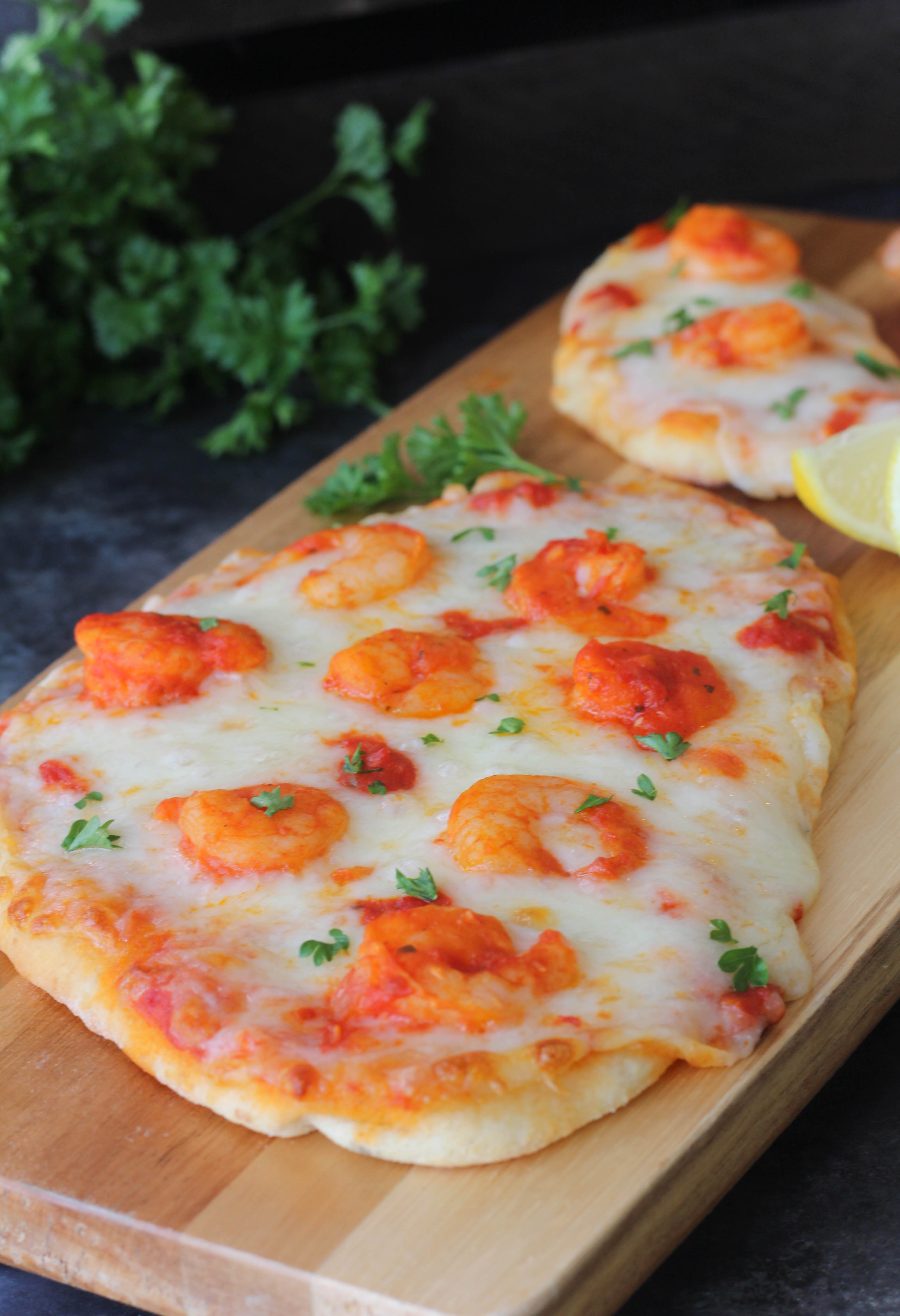
Shrimp Scampi Flatbread - addicted to recipes
Savory Shrimp Scampi Flatbread: Quick, Delicious, And Customizable

Savory Shrimp Scampi Flatbread: Quick, Delicious, and Customizable ...